Erosion Control - Budgeting and Permits

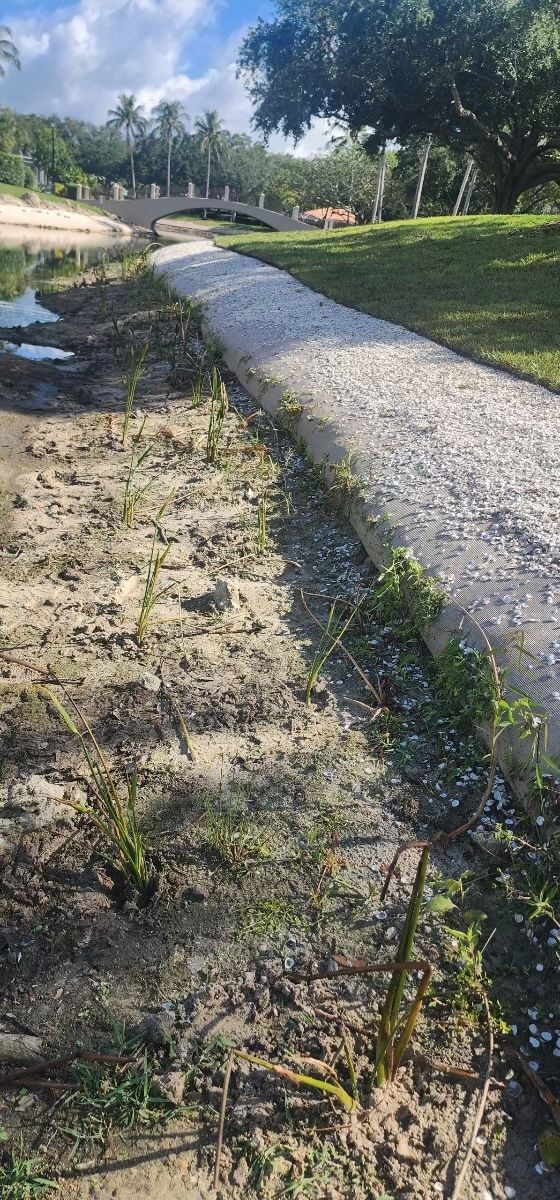
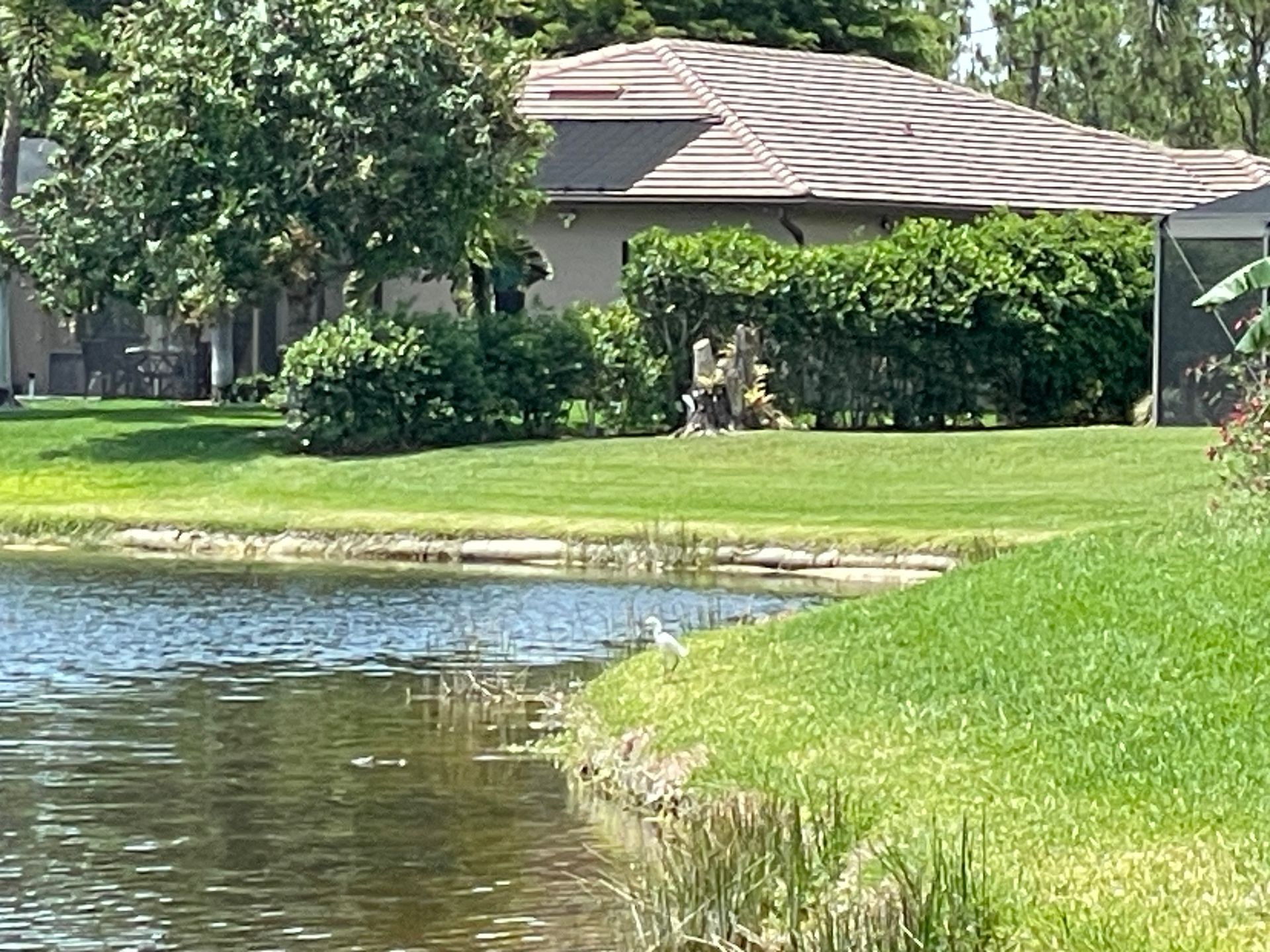
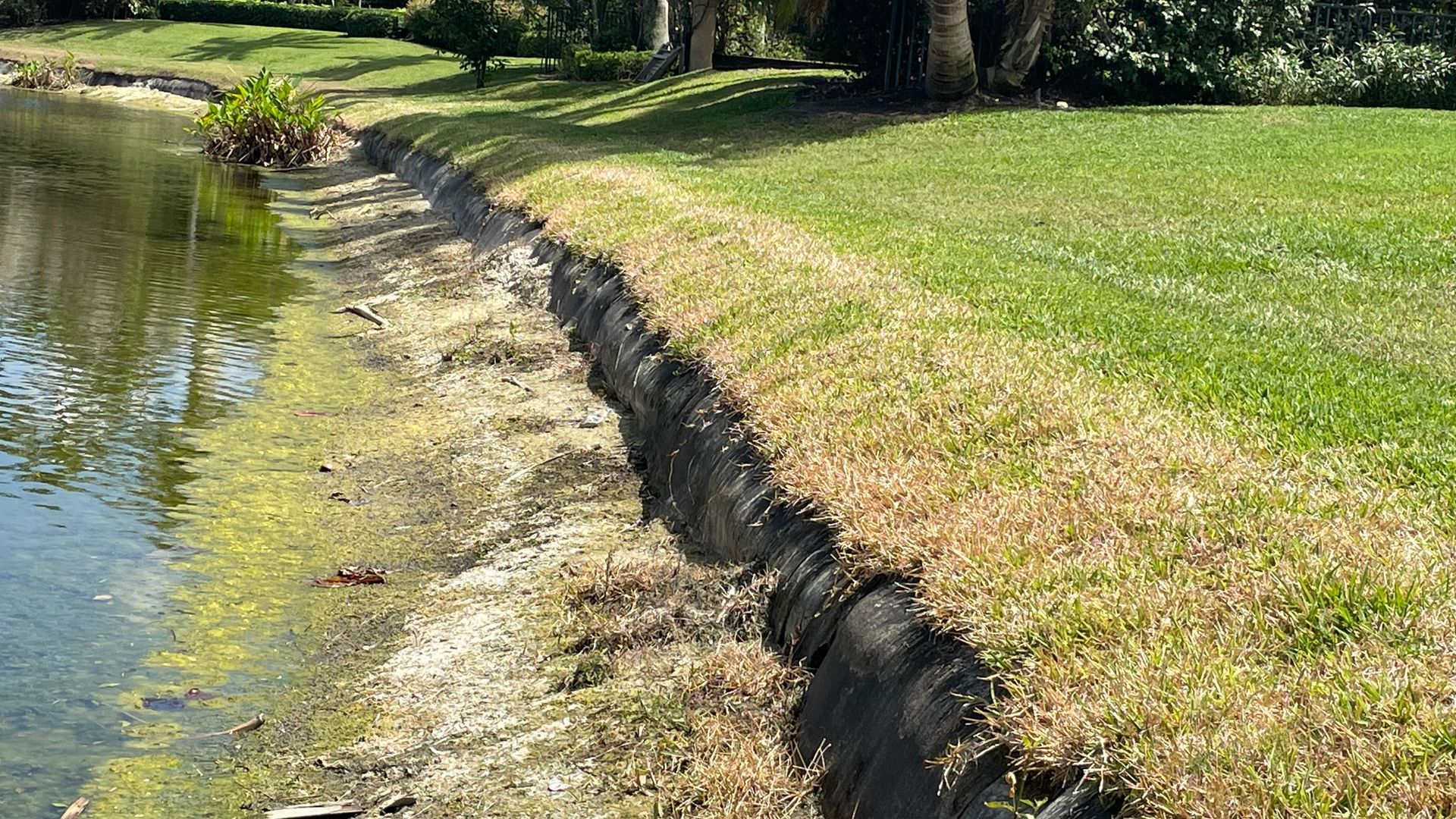
Budgeting for Lake Repairs is often the biggest hurdle for communities and homeowners to overcome. Builders are generally not required to harden shorelines to help prevent erosion when a planned community is constructed. At some point, builders “turn over” a community to the Home Owner’s Association (HOA) when lakes are ostensibly in compliance with permits and development orders. Erosion is pernicious. Over time it becomes a major problem on lakes and must be addressed at a cost. Communities that don’t have a funded lake maintenance account and no provision for it in their reserve study often pay for their erosion repairs through the use of reserve funds or by Special Assessments or Commercial Loans.

Erosion Control - Budgeting and Permits

Reserve Studies are very common for HOA’s to obtain from professionals, but even these rarely contain a budget for lake repairs. A reserve study estimates the length of time that a structural or aesthetic item within the community will last and budgets for its repair or replacement ahead of time. A good contractor will offer their client a Master Contract for their lakes, ponds, or canals with multiple phases completed in two or more years if the project cannot be completed all at once. This master contract can be submitted by an engineer so that the community only has to go through the process once for all of their lakes, ponds, canals, or rivers. Engineers will either be involved a little or a lot, depending on the community’s budget and their needs. A Lake Report can also be complied by either the contractor or by a qualified marine civil engineer. This report details every section of the lakes, canals, or streams within a community or property by identifying escarpments, cavities, littoral shelves, slopes, damage to the stormwater management system, and other environmental concerns.


Licensing Requirements for shoreline stabilization and erosion control vary from city to city and county to county. It is important to make sure that your contractor has the proper license for the work they are doing. For instance, Lee County, Florida requires a contractor to be a General Contractor or Specialty Certified Contractor registered with the Department of Business and Professional Regulation (myfloridalicense.com) in order to issue a dock and shoreline permit. The engineer can apply for and get the permit approved, but the contractor has to pull it. If Code Enforcement is called on your contractor and they do not have the proper license or permit, they may be issued a stop work order or they could force you to have the System Removed! This creates a very bad situation for both the contractor and their client! 


Permitting Requirements for shoreline stabilization and erosion control along the Gulf coast of Florida include, but are not limited to, a Dock and Shoreline Permit, Limited Development Order, Variance, Zoning Amendment, and SFWMD Permit. You should make sure your contractor has an in-house engineer to obtain the proper permits or you can hire your own engineer to make sure things are being done legally.

Recent Posts
By Seabreeze Lake Maintenance December 20, 2025
Littoral planting—restoring a pond or lake’s shoreline with native aquatic plants—is one of the most powerful ways to improve water quality, stabilize banks, reduce algae, and enhance the natural appearance of a waterbody. A well-designed littoral zone transforms an ordinary retention pond into a thriving ecosystem that benefits the entire community. At Seabreeze Lake Maintenance , littoral restoration is more than just a service—it’s a core specialty. We are dedicated to rebuilding native shoreline habitats using plants that are scientifically proven to strengthen banks, clean the water, and support fish and wildlife. Our projects consistently produce healthier, more attractive waterbodies that require less chemical use and long-term maintenance. This article explains what littoral zones are, why they matter, and how Seabreeze leads the industry in shoreline restoration and planting. What Are Littoral Zones? Littoral zones are the shallow edges of a pond or lake where sunlight easily reaches the bottom, allowing aquatic plants to grow. These zones are the natural backbone of a healthy waterbody. Functions of a Proper Littoral Zone Stabilizes the shoreline to prevent erosion Absorbs excess nutrients that fuel algae growth Provides habitat for fish, frogs, and beneficial insects Improves water clarity by reducing sediment suspension Filters stormwater runoff before it enters the pond Adds natural beauty with vibrant native vegetation Without plants, ponds begin to fail—shorelines erode, sediment builds up, algae increases, water quality declines, and maintenance costs rise.  Littoral plants are not decoration—they are essential water-quality tools.
By Seabreeze Lake Maintenance December 20, 2025
Decorative fountains are more than just eye-catching additions to a landscape—they play a crucial role in water circulation, oxygenation, and aesthetic appeal. From HOA entrance monuments to large community lakes, fountains create movement that prevents stagnation, supports aquatic health, and elevates the visual value of your property. At Seabreeze Lake Maintenance , we provide comprehensive fountain installation, maintenance, repair, and water-quality support for commercial properties, residential communities, municipalities, and private landowners. Our experience with aquatic systems, vegetation control, and aeration makes us uniquely equipped to keep fountains running smoothly while ensuring the water body they serve stays healthy year-round. This article explains the benefits of fountains, the types available, common problems, and how Seabreeze helps property owners maintain reliable and attractive water features. The Purpose of Fountains: Beauty Meets Function Fountains are often thought of as purely decorative, but their impact goes far deeper. When installed in ponds, lakes, or retention systems, they deliver essential environmental benefits. Aesthetic Benefits Enhances property value and visual appeal Creates a focal point for entrances, parks, golf courses, and communities Provides movement, sparkle, and sound that uplift outdoor environments Functional & Environmental Benefits Circulation & Oxygenation: Increases dissolved oxygen to support fish and beneficial bacteria Algae Reduction: Moving water disrupts surface stagnation Mosquito Control: Flowing water discourages breeding Odor Reduction: Reduces organic buildup and foul smells Water Stratification Prevention: Helps prevent temperature layering
By Seabreeze Lake Maintenance December 20, 2025
Healthy ponds, lakes, drainage systems, and surrounding landscapes require ongoing management. Whether it's stubborn algae, invasive aquatic weeds, or overgrown grass and brush, each issue can affect water quality, ecological balance, property aesthetics, and long-term maintenance costs. At Seabreeze Lake Maintenance , we specialize in comprehensive vegetation and water management programs tailored for private property owners, HOAs, municipalities, agricultural sites, and commercial facilities. With years of hands-on field experience, our team provides safe, efficient, and environmentally responsible solutions designed to restore balance and protect your investment. This article breaks down the essentials of algae control, aquatic weed management, and terrestrial grass and brush control—explaining how Seabreeze approaches each challenge with proven methods and modern tools. Understanding Algae: Causes, Types & Control Algae are natural components of aquatic ecosystems, but excessive growth—often triggered by nutrient overload, sunlight, and stagnant water—can disrupt the entire environment. Thick blooms reduce oxygen levels, produce foul odors, harm fish populations, and turn a beautiful pond into an eyesore. Common Types of Nuisance Algae Planktonic algae – Causes green water and algal blooms Filamentous algae – Stringy mats that float on surfaces or cling to shorelines Blue-green algae (cyanobacteria) – Potentially toxic and difficult to control How Seabreeze Controls Algae Our algae control programs combine corrective and preventive strategies: Targeted algaecide treatments that safely and efficiently break down existing mats Aeration system installation or maintenance to increase dissolved oxygen Nutrient reduction using beneficial bacteria to rebalance the ecosystem Shading and dye solutions to limit sunlight penetration and slow regrowth Long-term water quality monitoring to prevent future blooms

CONTACT US TODAY

Schedule Your Consultation!


CONTACT US